How To Lower Your Debt-To-Income Ratio: 6 Actionable Strategies
Key Summary
- Understanding your debt-to-income ratio (DTI), a crucial metric lenders use to assess risk by comparing your monthly debt obligations to your gross income, is the first step toward securing loan approval.
- Quickly improving your DTI often involves strategically paying down high-impact debts, exploring refinancing or consolidation options, or eliminating nearly paid-off loans to immediately reduce your monthly payment burden.
- For long-term financial health and sustained loan eligibility, focus on building stable income growth through career advancement or side ventures, and cultivate a habit of reducing reliance on credit for everyday purchases.
A high debt-to-income ratio is one of the most common reasons lenders delay or deny applications, even if you have solid credit. The good news is that you can lower your DTI, sometimes quickly, if you understand how lenders calculate it and which financial moves matter.
This article tackles the basics of DTI, what lenders look for, and strategies to reduce it, whether you’re trying to qualify for a loan now or in the future.
How Debt-To-Income Ratio Works
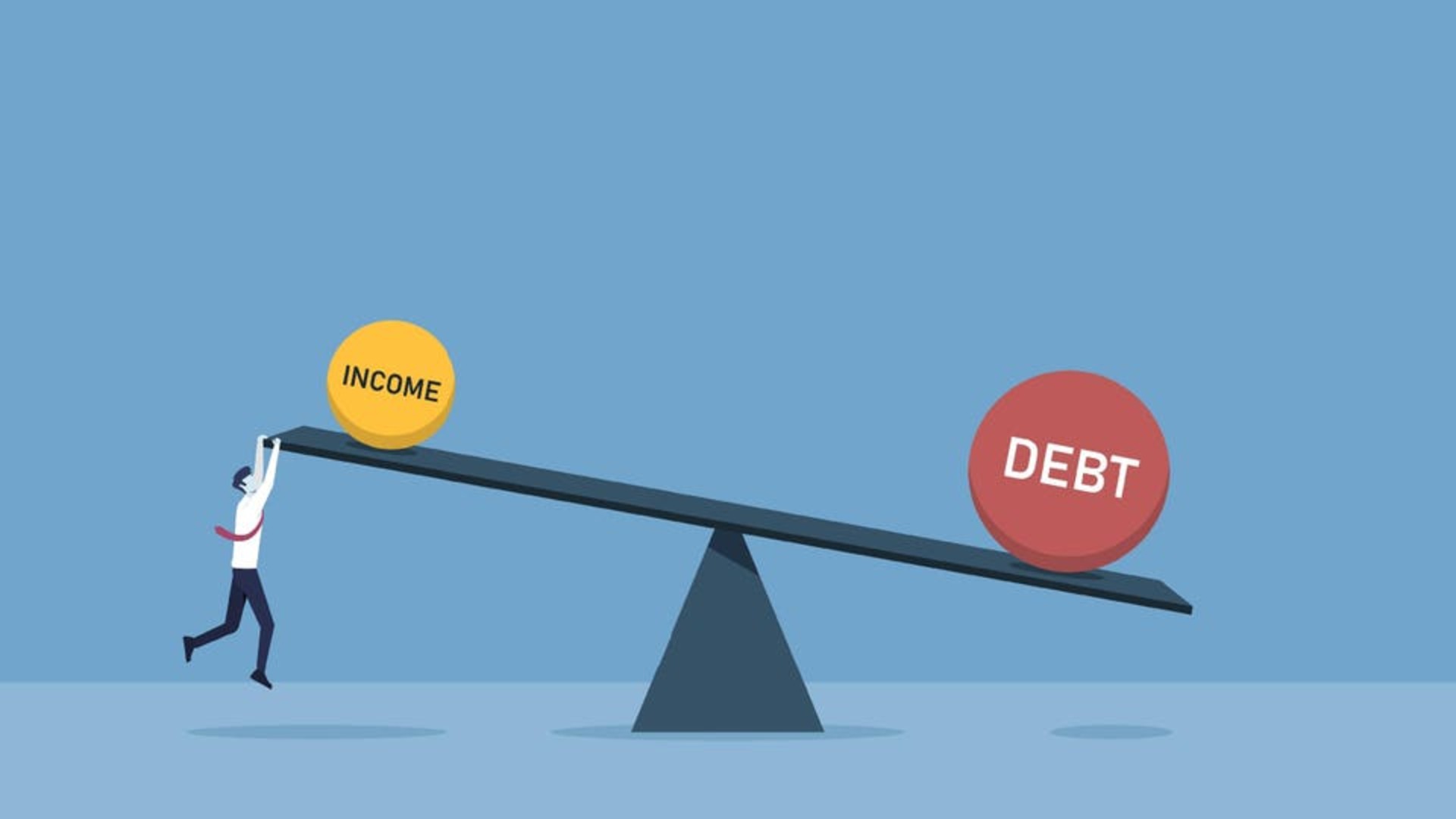
DTI measures how much of your income is already committed to debt payments. It is calculated by adding all required monthly debt obligations and dividing the total by your gross monthly income. The result is then expressed as a percentage.
Note that only required debt payments count. For revolving accounts like credit cards, lenders use the minimum payment shown on your credit report, not what you actually pay each month. For installments such as auto, student, or personal loans, the scheduled monthly payment is used.
Housing costs are also part of DTI, usually your full monthly mortgage payment or rent, including principal, interest, taxes, insurance, and any association dues.
What’s not included are everyday living expenses, such as utilities, groceries, personal insurance, and discretionary spending. These are not necessarily debts, even if you pay them each month.
As for gross income, that’s income before taxes, deductions, or withholdings. If you are self-employed or earn an hourly or commission-based income, lenders typically average your earnings to get a stable monthly figure.
Different loan types tolerate different DTI levels. For example, conventional mortgages often prefer ratios below 40%, while government-backed loans may allow higher ratios under certain conditions. Auto and personal loans also have internal thresholds, even if they are not always disclosed.
You may also encounter lenders who distinguish between front-end and back-end DTI. Front-end DTI considers only housing costs relative to income, while back-end DTI includes all monthly obligations, so it’s typically the back-end ratio that determines loan approval.
Essentially, lenders use your debt-to-income ratio as a proxy for risk. It helps answer a basic question: After accounting for existing obligations, how much room does this borrower have to take on and reliably repay new debt?
How To Lower Your Debt-To-Income Ratio Quickly
Pay Off High-Impact Debts First
Eliminating or paying down those debts with high minimum payments usually produces the fastest results.
For example, if you earn $6,000 a month and have $675 in monthly debt, your DTI is 11.25%. Paying down $3,000 toward a large student loan might reduce your monthly payment by only $10, barely changing the ratio.
But if you target a $150-per-month personal loan and eliminate it, your total monthly payments become $525, lowering your ratio to 8.75%. Doing this is quick and relatively cheaper than focusing on lowering your overall balances.
Refinance or Consolidate Debt
This can lower DTI without eliminating debt. By extending the loan term or securing a lower interest rate, your monthly payments can drop enough to bring DTI within acceptable limits. This works best when your credit has improved since the original loan or when market rates are favorable.
However, you should also be very careful. Refinancing can lower your payments today and help you qualify for a new loan by improving your DTI, but it can lead to higher total interest over time on your old debts. And don’t forget that you’re taking on a new loan, so plan well.
Increase Income Strategically
Not all additional income helps your debt-to-income ratio. Lenders typically require income to be stable, verifiable, and likely to continue. Overtime pay, bonuses, and side income may count, but only if you can show a consistent history.
Temporary income spikes or unverified cash flow rarely help in the short term, regardless of the amount. You should focus on increasing income sources that are clearly documented and explainable.
Remove Debts That Are Almost Paid Off
Debts with only a few payments remaining can sometimes be excluded from DTI calculations, depending on the loan program or lender. But even when they can’t be excluded, targeting these obligations is another quick way to reduce monthly payments and improve your ratio.
For example, suppose you have a monthly income of $6,500, $2,600 in debt payments for a 40% DTI, and your balances include a $220 auto loan with only three payments remaining. Paying off that remaining balance removes the full $220 from your monthly debt, dropping your ratio to around 36.62% almost immediately. Depending on your situation, this strategy can significantly improve your chances of approval.
Long-Term Strategies to Improve Your Debt-To-Income Ratio
Build Sustainable Income Growth
Because it is a significant factor in the calculation, increasing your income over the long run is a powerful way to improve DTI. Aim for career advancement through training, workshops, or graduate education. You can also start a side business; after all, entrepreneurs achieve financial freedom faster than workers.
However you increase your income, don’t forget to ensure it's stable and verifiable. Lenders reward income that is not only higher but also reliable.
This strategy cannot happen overnight, but its impact extends beyond DTI or a single loan approval.
Reduce Reliance on Credit
Shift from payment-based to cash-flow-based decision making. Don’t gauge affordability by asking whether you can handle the monthly payments. Rather, ask whether it needs to be financed at all.
While a $75 monthly payment may seem manageable, several such payments compound quickly in DTI calculations.
Use cash as much as possible. Or, if you want to use a credit card, pay it in full before the due date. If you can’t afford it without installments, then reconsider and perhaps delay the purchase.
Over time, you also gain flexibility around loan timing when you limit credit reliance. Since you don’t have constant new obligations, you can plan for big loans, say buying a house, without needing last-minute adjustments or financial restructuring.
Beyond Debt-To-Income Ratio
Lowering your DTI is ultimately about aligning your finances with how lenders evaluate risk. If you focus on monthly payments, stable income, and carefully planning your finances, you can improve your approval odds and borrowing terms.
That said, your debt-to-income ratio is only one part of the picture. Credit score still plays a major role in loan decisions. It also influences eligibility and interest rates, so you should maintain or improve your credit score alongside your DTI as much as possible. And as always, don’t hesitate to reach out to a professional financial advisor if your situation demands it.
This article was written by True Tamplin from Forbes and was legally licensed through the DiveMarketplace by Industry Dive. Please direct all licensing questions to legal@industrydive.com.
