
Integrated Payables: Advancing Accounts Payable Through Automation, Security, and Strategic Efficiency
By Lisa Scharf, Old National Bank Treasury Management Product Manager
Paper checks continue to be widely used in many organizations; however, they introduce avoidable inefficiencies and elevated processing costs. Industry research indicates that issuing a single check can cost more than $2 when accounting for printing, postage, and labor, an expense that compounds significantly over time.
Integrated Payables solutions enable organizations to transition from paper-based workflows to electronic payment methods such as ACH and virtual cards, reducing manual intervention and accelerating payment delivery.
A critical component of this transition is the vendor enrollment process. Old National Bank’s tailored onboarding approach encourages suppliers to adopt electronic payment channels, helping organizations decrease check issuance, expand card-based spending, and increase rebate potential.
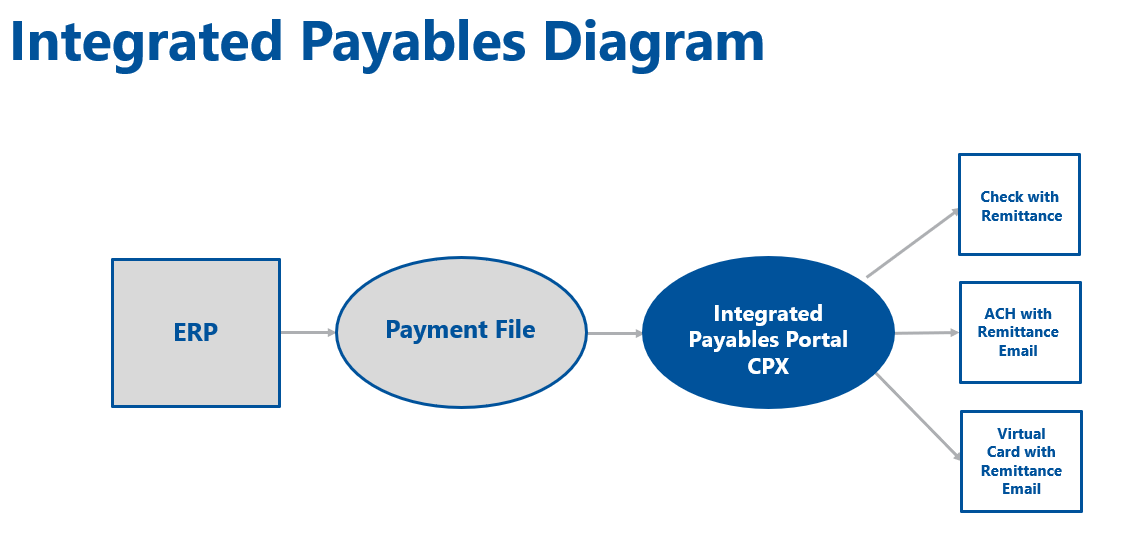
Enhancing Operational Efficiency Through Automation
Integrated Payables platforms allow organizations to consolidate payments into a single secure file, submitted via portal upload, SFTP, or API, which the bank then distributes according to each vendor’s preferred payment method. This unified approach eliminates the need to maintain multiple systems or processes and significantly reduces manual touchpoints.
Automated payment capabilities also improve vendor communication. Customized electronic remittance notifications support timely and accurate reconciliation for suppliers, strengthening business relationships and reducing administrative burdens.
Reducing Fraud Risk Through Secure Digital Processes
Paper checks remain a top target for fraud attempts, making the shift to electronic payments an important risk mitigation strategy. Integrated Payables leverage controlled digital workflows that incorporate security features such as encryption, audit trails, and standardized authentication protocols.
Virtual card payments introduce additional safeguards. Each card number is typically generated for a single use, tied to a specific amount, and restricted by time limits, substantially reducing exposure to misuse or unauthorized activity.
Improving Cash Flow Visibility and Payment Control
Electronic payment tools enhance cash‑flow management by providing organizations with greater timing flexibility and financial insight.
Virtual card transactions post to a commercial card account, allowing payment funding to occur on the card cycle rather than the transaction date. ACH payments can be precisely scheduled to align disbursements with cash‑flow strategies.
Case Study: Construction Company
A large local construction company, a steel erector founded in 1970, experienced rapid growth, surpassing $127 million in revenue. As operational complexity increased, the company’s leadership sought enhanced data accessibility and workflow automation.
Integrated Payables played a significant role in modernizing their AP processes, enabling the company to shift from manual procedures to streamlined, secure, and highly efficient digital payments.
The solution was delivered with a consultative approach, underscoring Old National Bank’s ability to serve as a strategic partner. Through improved security, increased virtual card utilization, and enhanced rebate generation, the partnership has delivered measurable and lasting benefits.
Getting Started with Integrated Payables
Integrated Payments offer a sophisticated combination of operational efficiency, enhanced security, and financial control. To explore how Integrated Payables can strengthen your accounts payable strategy, organizations can contact an Old National Treasury Management representative.
