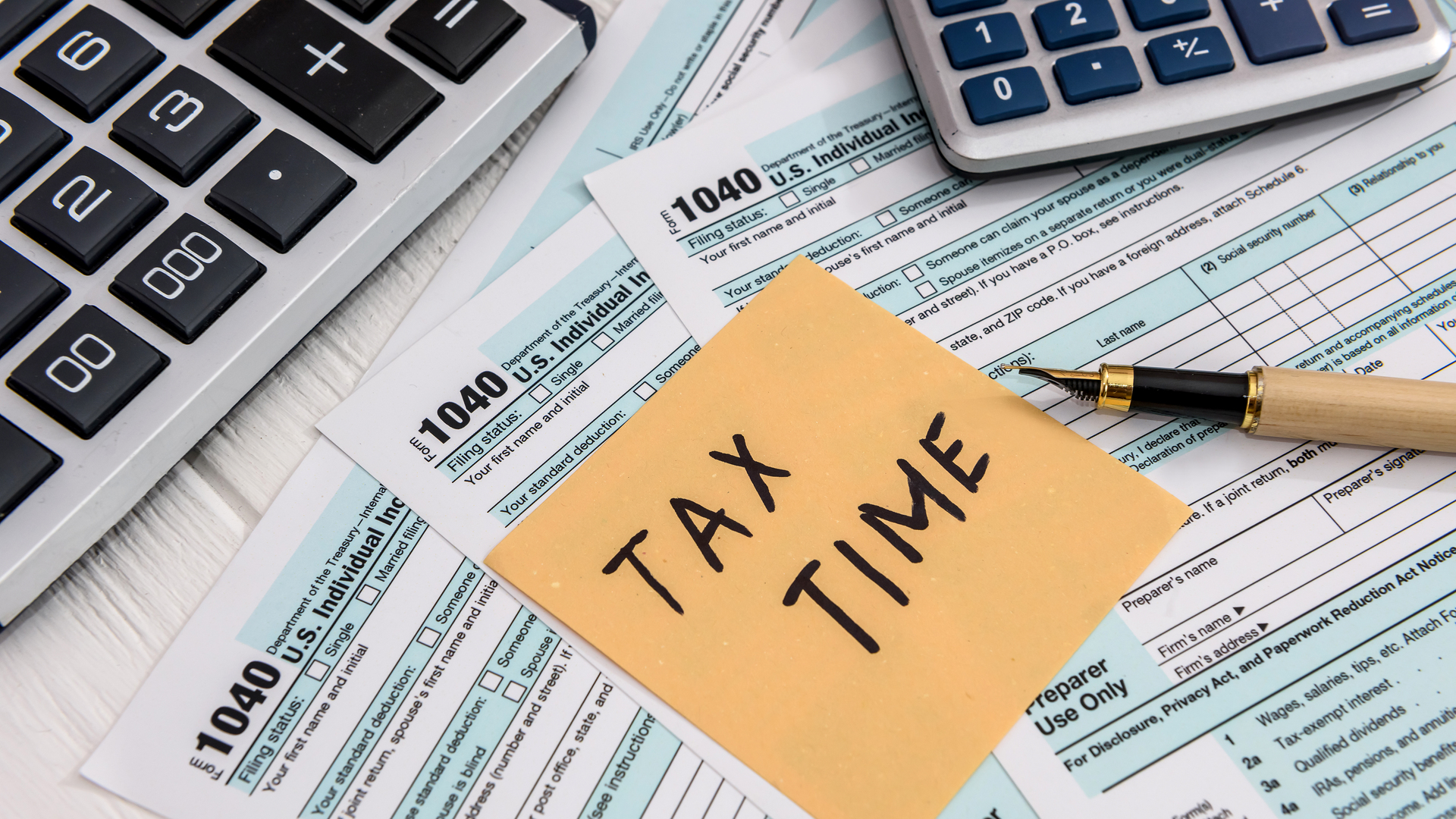
Tax Day (April 15): A Practical Playbook for Getting — and Staying — Organized
By Ben Joergens, Old National Bank Financial Empowerment Program Director
For many households and business owners, April 15 shows up on the calendar with a mix of urgency and uncertainty. Tax Day can feel like a finish line — but it’s also a helpful checkpoint.
When you take a little time to get organized and make a plan, you can turn tax season from a scramble into a routine that supports your bigger financial goals. I’ve found that a lot of tax-season stress comes from not knowing what you’ll need — or where it is. A simple system for documents and deadlines can make a big difference.
At Old National Bank, we know taxes touch nearly every part of a financial life — income, savings, charitable giving, homeownership, and small business operations, to name a few. While tax preparation itself belongs with qualified tax professionals, there are many practical steps you can take to feel more prepared, ask better questions, and keep your finances moving forward after April 15.
Why Tax Day matters beyond April 15
It’s easy to view taxes as a once-a-year task. But Tax Day can be a useful annual reset:
- Confirm that your records are in order
- Evaluate whether your withholding or estimated payments are aligned with your situation
- Make sure you have a plan for a refund — or a balance due — before it becomes a surprise.
When you treat Tax Day like a checkpoint, not just a deadline, you give yourself a chance to make small adjustments that can prevent big headaches next year.
A simple tax-season checklist
If you’re looking for a practical way to get organized, here are a few steps that help many people approach April 15 with more clarity:
- Create one place for tax documents (a digital folder or physical file) and label it by year.
- Gather common forms (for example, income statements, interest statements, and any applicable deductions/credits documentation) as they arrive.
- Review last year’s return for recurring items (such as charitable giving, property taxes, or business expenses) so nothing is overlooked.
- Make a plan for the outcome: if you may owe money, set funds aside; if you expect a refund, decide in advance how you’ll use it.
Just as important, give yourself enough runway. Starting early creates time to ask questions, fix missing paperwork, and avoid last-minute decisions under pressure.
If you’re getting a refund, or paying a balance, decide with intention
A refund can feel like a windfall, and a balance due can feel like a setback. Either way, the best next step is to decide intentionally. Some people use a refund to build an emergency cushion, pay down higher-interest debt, catch up on bills, or fund a near-term goal.
If you owe, having a plan — before the deadline — can help protect your cash flow and reduce stress.
A refund is an opportunity to strengthen your financial foundation — if you decide what it’s for before it hits your account. And if you owe money, a plan beats panic every time.
How Old National Bank can support you around tax time
- Build a simple cash-flow plan so you’re not caught off guard by annual or quarterly expenses.
- Strengthen savings habits (including an emergency fund) to reduce the impact of surprise costs.
- Talk through goals like debt reduction, upcoming large purchases, or planning for a major milestone.
- Help your organization or community group access financial education — Old National can host workshops throughout our footprint, led by hundreds of licensed instructors.
- Share practical education topics such as budgeting, understanding credit, and protecting yourself from fraud.
- Encourage proactive check-ins so financial decisions aren’t compressed into one stressful season.
Bring a tax-time workshop to your workplace or community
If you’re an employer, school, nonprofit, or community group, tax season can be a great moment to offer practical education that reduces stress and helps people feel more in control.
Old National Bank can host workshops across our entire footprint — virtual or in-person — led by hundreds of licensed instructors. Connect with your local Old National banker or branch team to share your audience, preferred timing, location, and the topics you’d like covered.
A message I hope you’ll carry past April 15
Tax Day is a deadline — but it can also be a turning point. If you build a simple system for documents, start earlier than you think you need to, and make intentional choices about the results, you can reduce stress and strengthen your overall plan.
And if you’re not sure where to start, reach out — sometimes a short conversation is all it takes to create clarity. My goal every tax season is simple: help people replace last-minute pressure with a plan they can repeat. That’s how Tax Day becomes less stressful — and more useful.
For more on Real-Life Finance workshops and free resources, click here.
Note: Workshops and materials are provided for educational purposes and are not intended as specific financial, legal, or tax advice. Products and services are subject to eligibility and availability.
