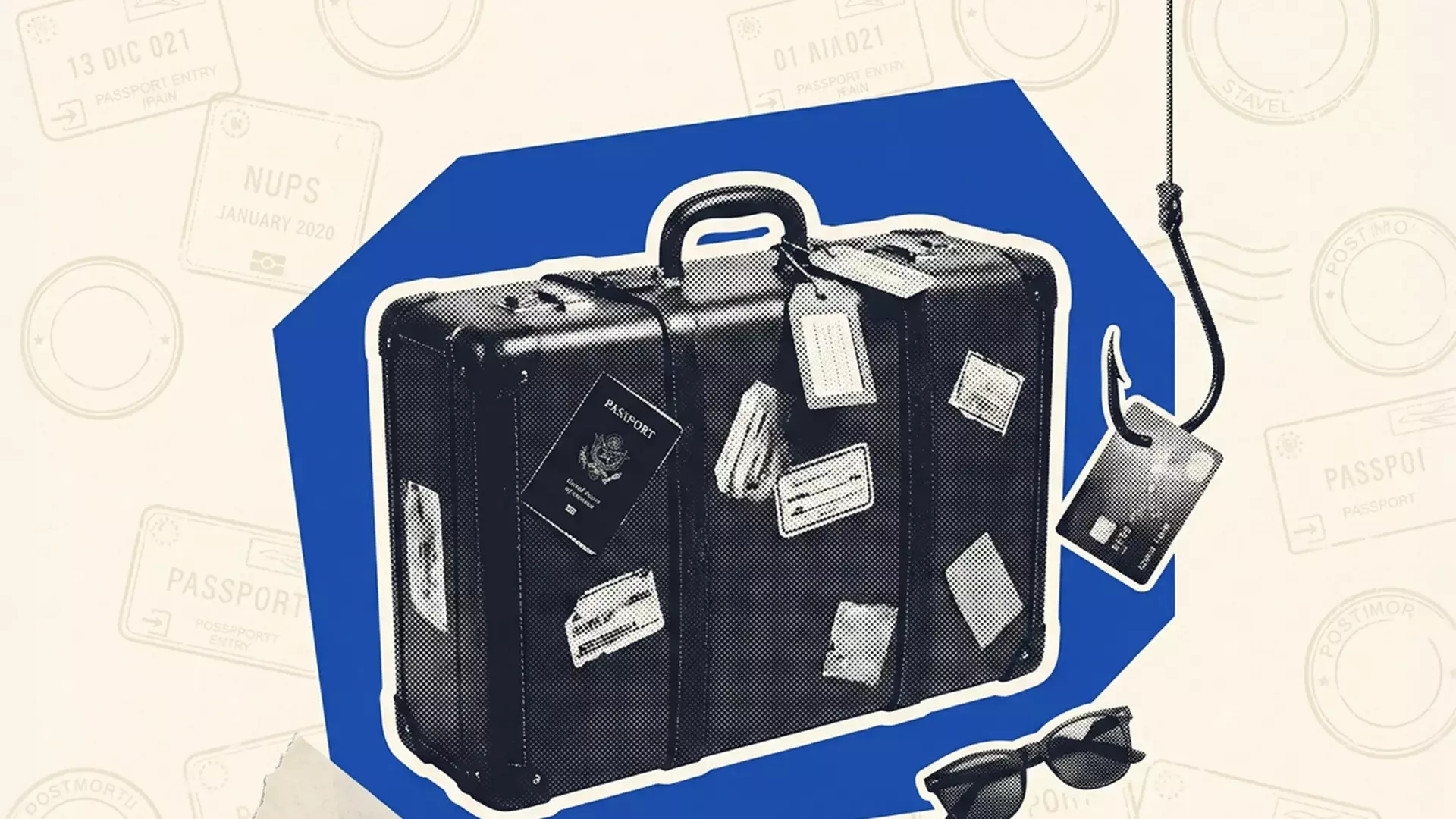
3 Simple Ways to Protect Your Summer Vacation From Scammers
Key Summary
- To preemptively minimize your exposure to fraud, trim your physical documents to the essentials before departure and research travel vendors thoroughly to ensure you are avoiding suspicious, non-secure booking platforms.
- While you are on the road, protect your personal information by utilizing a VPN for public Wi-Fi, keeping sensitive paperwork locked away, and safely disposing of boarding passes rather than discarding them in accessible trash bins.
- Once you have returned home, remain vigilant by systematically deleting digital copies of travel documents, shredding physical items that contain your private data, and closely monitoring your credit reports or bank statements for any signs of post-trip unauthorized activity.
With Fourth of July in the rearview, summer is ramping up fast. But before packing your bags for a trip, it’s worth taking a few minutes to think about how you’ll keep your personal documents — and data — safe.
It’s not just fake bookings and travel apps you have to watch out for (though those are real threats, too). Travelers are often distracted, moving through unfamiliar places with sensitive documents like passports, hotel confirmations and travel insurance paperwork, to name a few.
The latest data from the Federal Trade Commission, or FTC, shows how costly travel-related fraud can be. In 2025, consumers filed more than 64,000 reports of travel, vacation and timeshare fraud, reporting $297 million in losses. The median loss was $700.
Here’s the kicker: The damage can be much worse when fraud goes unnoticed. According to old FTC research, fraud that takes six months or longer to surface tends to exceed $5,000, meaning the longer it goes undetected, the more expensive it can become.
That’s a big risk for travelers, since post-trip fraud may not show up until weeks or months after you’ve returned home. The good news is that a little prep before you leave — and a quick checkup when you get back — can help minimize the damage.
Before You Leave, Lighten Your Footprint
Travel scams often begin before the vacation does. They may show up as fake airline websites, phishing emails that look like booking confirmations, or pushy deals that are too vague to verify.
The FTC recommends doing your homework on travel companies, hotels, rental companies, and agents by searching for their names along with words like “scam,” “review,” and “complaint.” It also warns that only scammers will insist you pay by wire transfer, gift cards, or cryptocurrency.
When it comes to physical records, pare down what you’re bringing. Leave behind anything you don’t need during the trip, including your Social Security card, secondary credit cards, and paper documents containing sensitive account numbers.
For documents you do carry, think about how you’ll dispose of them once they’re no longer needed.
Brent Bell, vice president of recycling for Shred-it owner WM, says that “boarding passes are often overlooked, but they can store details such as your name and booking reference within the barcode.” Tossing one in an airport trash can could hand that information to anyone willing to fish it out.
Bell recommends storing your passes digitally in a password-protected app and deleting them once you’ve arrived at your destination. If you’re carrying physical copies, shred or securely dispose of them instead of tossing them in an airport bin. He also suggests making copies of important documents you bring so you’re not completely stranded if something goes missing.
Secure Your Documents During the Trip
If you’re staying in a hotel, use the in-room safe for anything you won’t need throughout the day. And don’t leave printed receipts, itineraries or confirmation pages lying around when you check out. Bell suggests asking hotel staff to shred unneeded travel documents if you don’t have another option.
If you’re staying at a rental or an Airbnb, you might want to bring a travel-sized shredder or look up local shred services near your destination. Otherwise, keep your sensitive documents in a locked bag or suitcase and dispose of them once you’re back home.
A 2026 McAfee report singles out Wi-Fi as of the most overlooked risks of travel. Public networks like those at airports and hotels tend to have weaker protections than private ones and allow unknown users to share the same connection, which creates opportunities for criminals to intercept your data.
Equifax says a safer option is to use a VPN, which lets you access public Wi-Fi through a private connection. VPN services are available for free, but if you need to connect to public Wi-Fi without one, avoid mobile banking, paying bills, or visiting any website that requires confidential information to access.
Both physical and digital threats are worth watching, but they don’t always play out the same way.
“With physical theft — someone pickpockets your wallet, or you lose your passport — a criminal has your documents right away,” Bell says. “But digital threats can often go unnoticed for months.”
A skimming device at an ATM or a data breach at an airline, for instance, may quietly expose your information. And the stakes are high: Unlike a stolen credit card, a stolen passport can’t simply be canceled and replaced automatically.
Delete and Monitor Once You Get Home
Once you’re home, shred boarding passes, luggage tags, rental car agreements and duplicate copies of documents you no longer need. Delete unneeded digital copies from your phone or laptop, especially if they were saved outside a secure app.
The next step is to review your bank and credit card statements for any unfamiliar charges. Check travel loyalty accounts, too; airline miles and hotel points can be stolen or drained. If anything looks wrong, report it to the company involved promptly and consider filing a complaint with the FTC or FBI, depending on the type of fraud.
You should also monitor your credit reports after a trip, especially if you lose an ID, wallet, or phone. The FBI recommends monitoring financial accounts, enabling multi-factor authentication, and considering a credit freeze or fraud alert when personal information may have been compromised.
At Old National, we're committed to protecting you and your finances. Learn more about how we've been protecting our clients since 1834.
This article was written by Gabriel O. Rodriguez Cruz from Money and was legally licensed through the DiveMarketplace by Industry Dive. Please direct all licensing questions to legal@industrydive.com.
