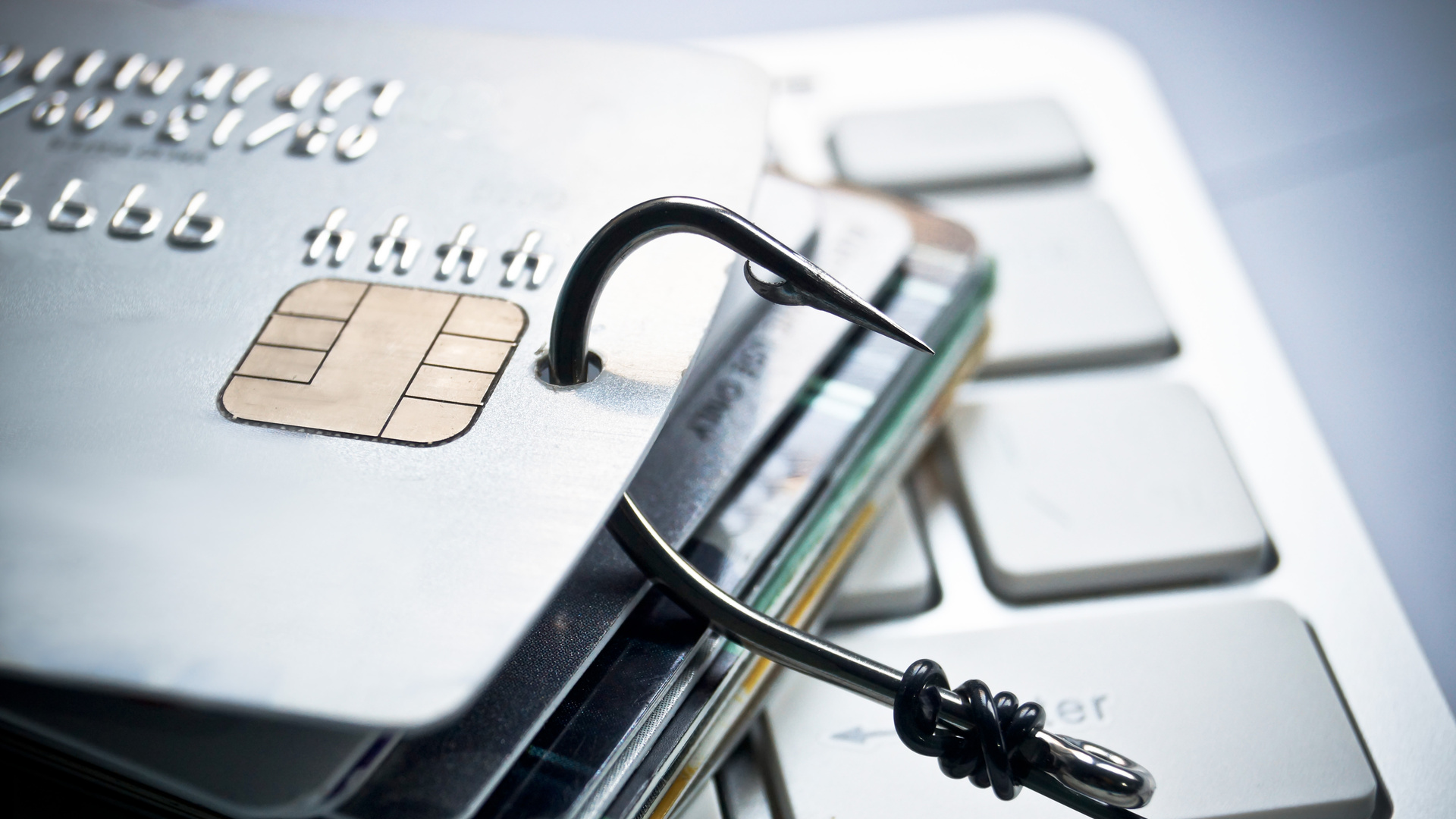
Don't Let Scammers Steal Your Holiday Cheer
Don't Let Scammers Steal Your Holiday Cheer
The holiday season is filled with celebrations, gift-giving, online shopping, and the excitement of waiting for packages to arrive. Unfortunately, it's also one of the most active times of year for scammers. While you're hunting for the perfect deal or tracking holiday deliveries, fraudsters are working just as hard to trick consumers into sharing personal information or sending money.
This International Fraud Awareness Week, take a few moments to learn how to spot some of the most common holiday scams.
"Your Package Is Delayed" - Think Before You Click
Have you ever received a text message claiming there's a problem delivering your package? You're not alone.
Scammers frequently send fake delivery notifications that appear to come from trusted carriers like USPS, FedEx, DHL or UPS. The message may claim your package is being held due to an address issue, unpaid fee, or delivery problem. Their goal is simple: get you to click a link.
Once clicked, the link may lead to a fake website designed to collect your login credentials, payment information, or other personal details.
Before responding or clicking on a link, ask yourself: Was I expecting a package from this company?
Always verify delivery updates by visiting the carrier's website directly or using the official retailer's tracking information.
The Deal That's Too Good to Be True Usually Is
Holiday shoppers love a good bargain, and scammers know it.
Fraudulent websites often advertise popular gifts, electronics, and seasonal products at deeply discounted prices. The websites can look professional and convincing, making it difficult to spot a scam.
The result? You may receive counterfeit merchandise, poor-quality items, or nothing at all.
Before purchasing from an unfamiliar retailer:
- Read customer reviews from multiple sources.
- Verify the company's contact information.
- Use secure payment methods that offer fraud protections.
- Be cautious of prices that seem dramatically lower than other retailers.
Social Media Ads Aren't Always What They Seem
Scrolling through social media has become a common way to discover holiday gifts, but not every advertisement is legitimate.
Fraudsters create attractive ads featuring trending products, exclusive offers, and limited-time promotions. The advertisements often link to fake websites designed to collect payments without delivering products.
Watch for warning signs such as:
- Extremely low prices
- Newly created business pages
- Limited or negative customer reviews
- Pressure to buy immediately
- Requests for unusual payment methods
A Little Caution Goes a Long Way
Scammers count on busy schedules, holiday excitement, and rushed decisions. Taking a few extra moments to verify a text message, research a retailer, or inspect a social media advertisement can make all the difference.
This holiday season, protect your money, your personal information, and your peace of mind. If something feels off, pause, verify, and trust your instincts. The best gift you can give yourself is staying one step ahead of fraud.
