From Coffee Beans to Bags, Small Businesses Feel the Fuel Squeeze
Key Summary
- Beyond the Pump: Rising fuel prices are creating a complex "ripple effect" for small businesses, forcing them to deal with increased shipping surcharges, supply chain rerouting, and expensive insurance premiums due to geopolitical conflicts.
- Strategic Shifts: Companies are being forced to adapt their operations to survive; some are choosing to stockpile inventory months in advance to mitigate volatility, while others are redesigning their logistics to prioritize fuel efficiency and localized delivery.
- The Margin Squeeze: Small business owners are facing intense pressure on their bottom lines, often having to make the difficult choice of absorbing costs to remain profitable or passing price hikes directly to consumers at a time when they are already struggling with inflation.
Rising fuel prices are squeezing some American small businesses in ways that go far beyond the pump.
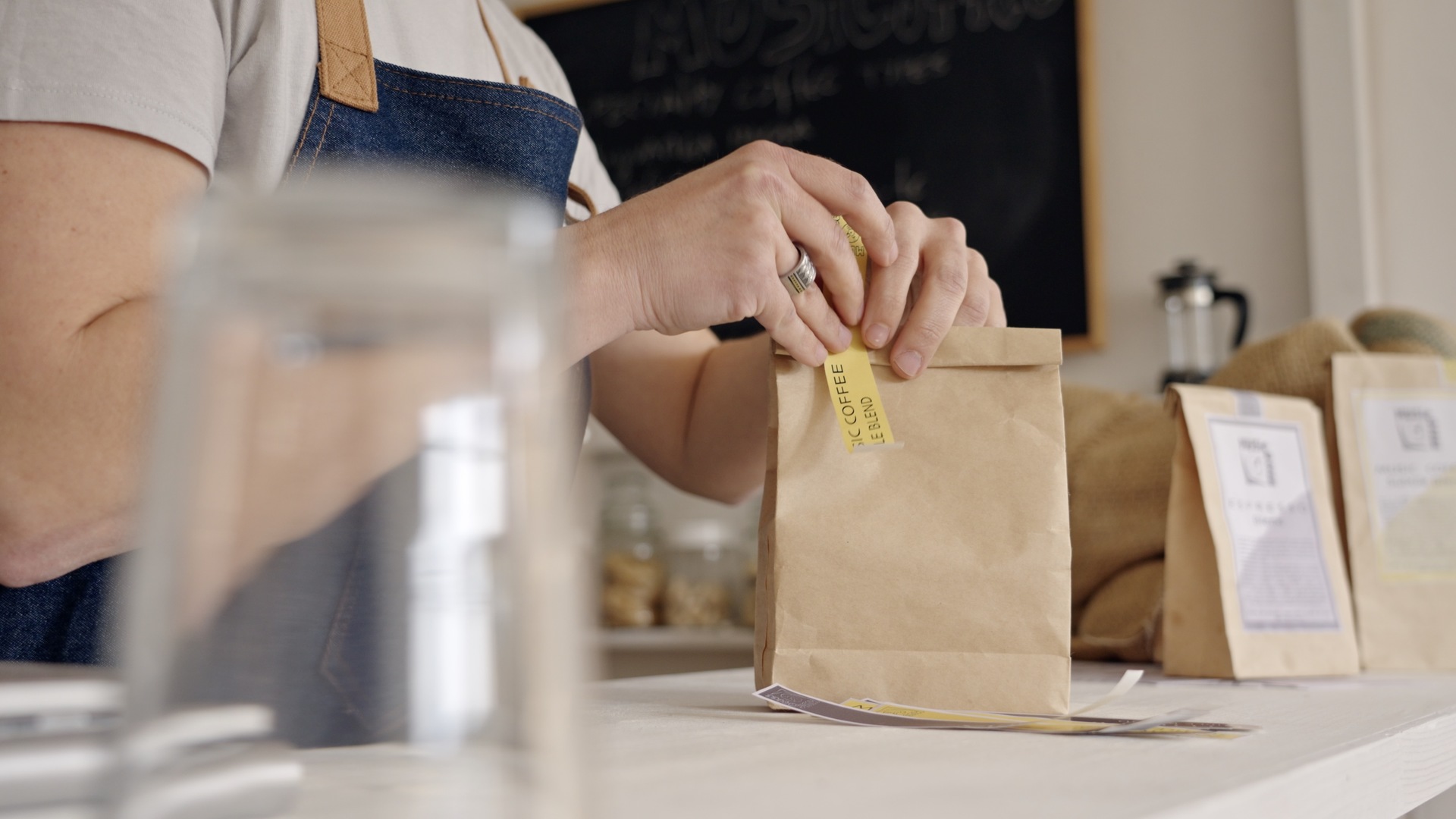
When Wonderstate Coffee raised prices last quarter as coffee bean costs rose, it wasn't expecting its import costs to spike less than three months later.
The Wisconsin-based coffee roaster is one small business feeling the effects of the US and Israel's war with Iran, which has sent fuel prices skyrocketing past $100 for a barrel of oil and interrupted supply chains.
Wonderstate co-owner Caleb Nicholes told Business Insider that the company's import rates have increased by 5% to 8% amid soaring fuel prices. Freight costs have also gone up. The company also sources many of its beans from Ethiopia, and the supply itself has needed more protection and had to be rerouted.
"Our shipments leaving from Ethiopia need extra insurance now because of the war," Nicholes said. "Shipping vessels have been hit in previous years."
All that has raised serious concerns for Nicholes about the impact on his bottom line, saying that fuel prices may "impact our profitability in a way that will be difficult to recoup this year."
Wonderstate isn't the only small business evaluating its supply chain.
Some companies, like bag maker Bogg, are planning ahead to try to combat rising fuel costs. However, CEO Kim Vaccarella said, it's a risk.
Bogg, which makes its tote bags from imported plastic, has committed to buying products six months in advance. Vaccarella said the timeline is "atypical" for the business and pacing ahead of its customer order forecasts, but it's necessary "to mitigate supply chain risk." Bogg is also evaluating the timing of future launches based on material availability.
Some Businesses Already Have a Playbook for Pricey Gas
Some businesses have insulated themselves from the worst of the effects of rising fuel prices.
Arborist Brent Valentine told Business Insider that his business, Heartwood Tree Company in Madison, Wisconsin, has about a dozen trucks, multiple brush chippers, and numerous chainsaws that all need gas every day.
He said the company hasn't felt much impact from higher fuel costs because it built its business around keeping consumption low.
Heartwood's shop is located in town, and the team schedules jobs close to one another to keep miles low.
"We try to minimize our driving around," he said. "It's more the overall goal of consuming less fuel that drives our decisions" than geopolitical events.
Meanwhile, industry trends of larger equipment, heavier trucks, and longer drives mean some of his peers are likely facing hundreds of dollars in new weekly fuel expenses, Valentine said.
Smaller Businesses Must Face Their Customers
Richard Trent is the executive director of Main Street Alliance, an advocacy organization made up of about 30,000 small business owners across the US. His members are wrestling with the possibility of passing costs down to customers.
"It's delivery costs, supplier costs; it's their employees getting to work, and it's all going up at the same time," Trent said.
It's not as simple as the Strait of Hormuz, a key oil chokepoint, opening tomorrow and solving all their problems, Trent said. The effects of the war will be felt for "months and months down the road" as already thin margins are pressured by rising costs.
For small business owners, it's personal because they're often in direct communication with customers. They're having to face consumers and explain why their products cost more, he said.
Connect with an Old National Small Business Banker for more insights to help your business grow.
This article was written by Dominick Reuter and Jordan Hart from Business Insider and was legally licensed through the DiveMarketplace by Industry Dive. Please direct all licensing questions to legal@industrydive.com.
