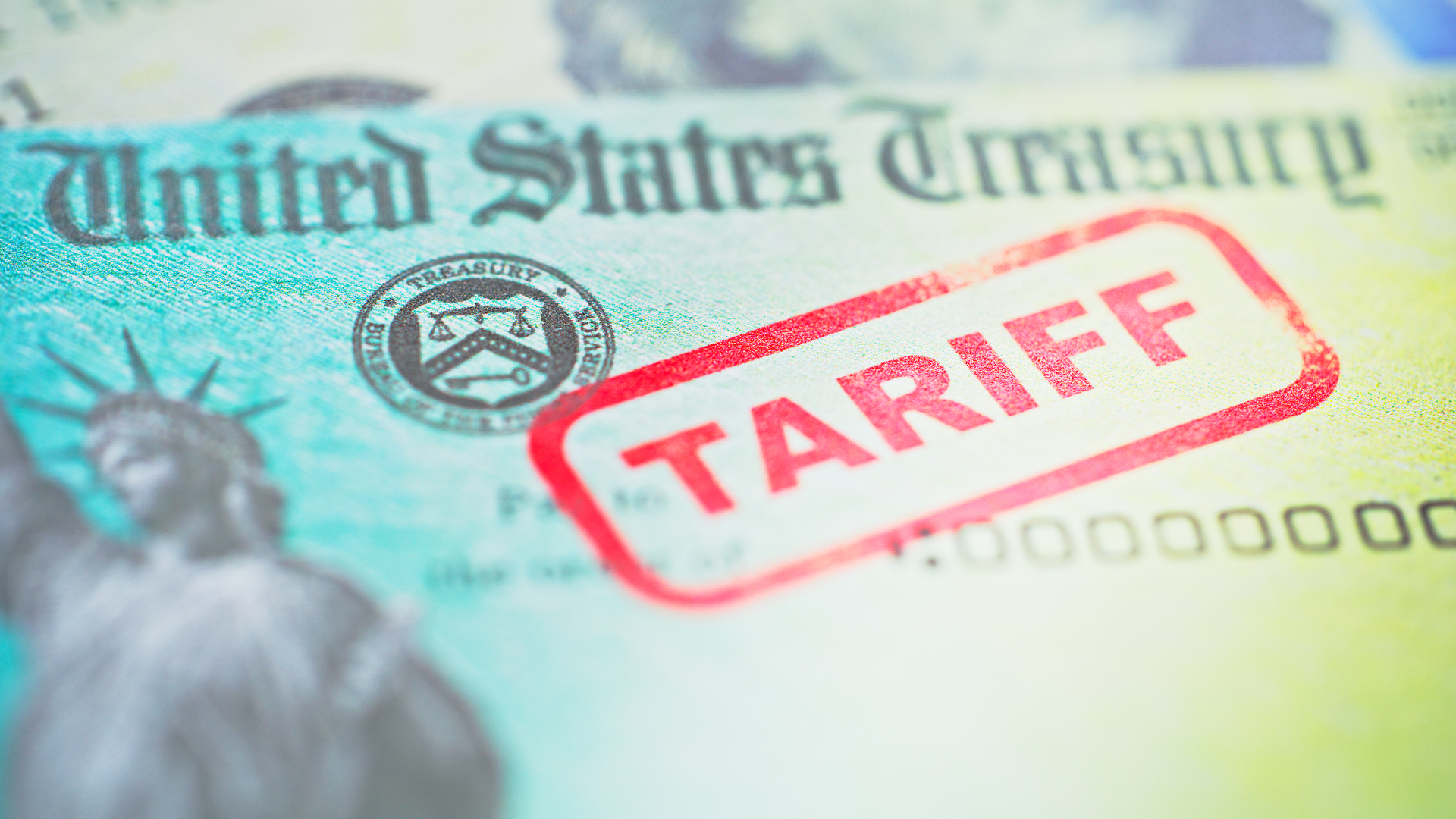
Tips for CFOs Seeking Tariff Refunds
The Supreme Court’s February ruling invalidating President Donald Trump’s use of the 1977 International Emergency Economic Powers Act to impose open-ended tariffs handed businesses some new clarity on the administration’s duty power.
It also opened the door to new questions for CFOs about the mechanical process their companies must navigate to recoup any IEEPA tariff refunds owed, as well as about the impacts any windfall might have across their business, according to Kristin Bohl, partner in customs and international trade at PwC.
Bohl says there are two main points finance chiefs should keep in mind regarding tariffs. First, even the process of getting the refunds will not be simple, despite their apparent legal entitlement to them.
“Legal entitlement does not equal operational readiness for those refunds to happen,” Bohl said, noting that it’s hard to forecast when refunds will start to arrive. “I think CFOs need to be thinking of months and maybe years instead of weeks.”
To get a sense of the potential timeline, Bohl said the best historical example is Customs and Border Patrol's handling of the refund of Harbor Maintenance Fees, which were struck down in the 1990s but took years to process.
“Why did the process take years? First and foremost, Customs is not an agency set up to reverse or refund money; it’s set up to collect money. It’s a revenue-collecting agency, so its systems are not set up to reverse that revenue collection,” Bohl said. It’s very difficult to convert entry-by-entry level processing into massive refunds.
That doesn’t mean, she said, that CFOs should be sitting on their hands. Instead, they should be strategizing about how the refund will impact all of these other cross-functional areas of a company. That includes areas like tax and tax reporting, transfer pricing, financial accounting and commercial and vendor relationships.
“Getting your refund is really just the beginning,” Bohl told CFO Dive. “The CFO needs to have this much broader view of the tax, financial accounting and commercial impacts that are going to hit the company.”
To do that, finance chiefs should consider setting up a cross-functional task force to manage all of those downstream impacts. The group would include representatives from tax, supply chain, a controller or chief accounting officer, as well as someone from procurement who manages vendors. The CFO must have the vision to bring together the right people to ensure the company is not being myopic in its approach to the tariff refund process.
The other step CFOs should take is to review their data and documentation, letting the “data lead the way” to the total dollar number of IEEPA refund they believe they are owed.
So right now, what CFOs and their trade counterparts should do is gather the documentation, review it, and compile a complete post-entry audit of all of the company’s IEPPA entries. They must ensure that all the data is in order so that, if the time comes for the refund, there is no stumbling block, she said.
“It’s not likely that customs is going to make this process easy,” Bohl said. “If they perceive there to be some type of defect associated with your entry, they’re going to use that as a reason to not refund the tariffs.”
This article was written by Maura Webber Sadovi from CFO Dive and was legally licensed through the DiveMarketplace by Industry Dive. Please direct all licensing questions to legal@industrydive.com.
